
Newsletter Subscribe
Enter your email address below and subscribe to our newsletter
Enter your email address below and subscribe to our newsletter


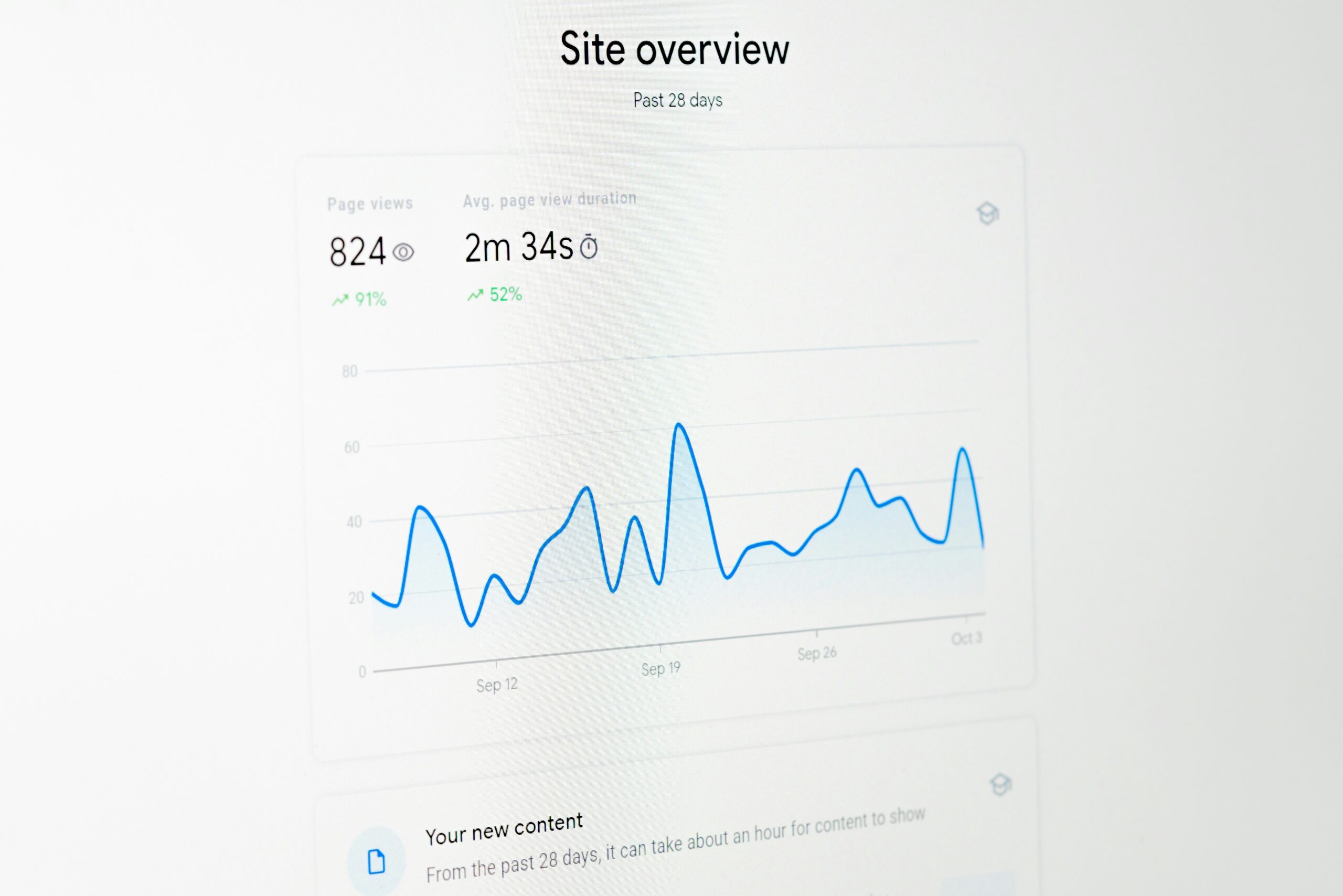
In today’s fast-paced business environment, understanding the importance of team performance metrics is crucial for any organization aiming for success. You may find that these metrics serve as a compass, guiding your team toward achieving its goals and objectives. By measuring performance, you can identify strengths and weaknesses within your team, allowing you to make informed decisions that enhance productivity and efficiency. Metrics provide a tangible way to assess how well your team is functioning, enabling you to pinpoint areas that require improvement or adjustment.
Moreover, performance metrics foster a culture of accountability. When you establish clear benchmarks, your team members understand what is expected of them and can take ownership of their contributions. This clarity not only motivates individuals but also aligns their efforts with the broader goals of the organization. As you delve deeper into the world of team performance metrics, you will discover that they are not merely numbers on a report; they are vital tools that can drive engagement, innovation, and ultimately, success.
Identifying key metrics for measuring team impact is a fundamental step in optimizing performance. You should start by considering what specific outcomes you want to achieve. Are you focused on productivity, quality of work, or perhaps customer satisfaction? By defining your objectives clearly, you can select metrics that align with these goals. For instance, if your aim is to enhance productivity, you might track the number of tasks completed within a given timeframe or the average time taken to complete specific projects.
Additionally, it’s essential to consider both leading and lagging indicators when identifying metrics. Leading indicators can provide insights into future performance, while lagging indicators reflect past results. For example, employee engagement scores can serve as a leading indicator of future productivity, while sales figures may represent a lagging indicator of past performance. By balancing these two types of metrics, you can gain a comprehensive understanding of your team’s impact and make more informed decisions moving forward.
Data-driven decisions play a pivotal role in measuring team impact effectively. In an age where information is abundant, relying on data allows you to move beyond intuition and guesswork. You can analyze trends and patterns that emerge from your performance metrics, providing a solid foundation for your decision-making process. This analytical approach not only enhances accuracy but also instills confidence in your choices among team members and stakeholders alike.
When you embrace data-driven decision-making, you empower your team to adopt a more strategic mindset. Instead of making decisions based on anecdotal evidence or personal opinions, you can leverage hard data to support your strategies. This shift fosters a culture of continuous improvement, as team members become more inclined to experiment with new approaches based on insights derived from data analysis. Ultimately, this leads to more effective solutions and a stronger overall team performance.
To achieve accurate measurement of team impact, it is essential to utilize both quantitative and qualitative data. Quantitative data provides numerical insights that can be easily analyzed and compared over time. For instance, tracking sales figures or project completion rates gives you concrete evidence of performance levels. However, relying solely on numbers can sometimes overlook the nuances of team dynamics and individual contributions.
This is where qualitative data comes into play. Gathering feedback through surveys, interviews, or open discussions allows you to capture the sentiments and experiences of your team members. You may discover underlying issues that numbers alone cannot reveal, such as morale or collaboration challenges. By combining both types of data, you create a more holistic view of your team’s performance, enabling you to make well-rounded decisions that consider both the hard facts and the human elements involved.
Implementing Key Performance Indicators (KPIs) is a strategic approach to tracking team performance effectively. KPIs serve as measurable values that demonstrate how well your team is achieving its objectives. When you establish relevant KPIs, you create clear targets for your team to strive toward. This not only enhances focus but also provides a framework for evaluating progress over time.
As you implement KPIs, it’s crucial to ensure they are SMART: Specific, Measurable, Achievable, Relevant, and Time-bound. For example, instead of setting a vague goal like “improve customer service,” you might establish a KPI such as “increase customer satisfaction scores by 15% within six months.” This specificity allows your team to understand exactly what is expected and how success will be measured. Regularly reviewing these KPIs will enable you to adjust strategies as needed and keep your team aligned with organizational goals.
In the modern workplace, leveraging technology for effective data collection and analysis is more important than ever. You have access to an array of tools designed to streamline the process of gathering and interpreting performance metrics. From project management software to customer relationship management systems, technology can automate data collection and provide real-time insights into your team’s performance.
By utilizing these technological solutions, you can save time and reduce the likelihood of human error in data entry and analysis. Additionally, many platforms offer advanced analytics features that allow you to visualize data trends through dashboards and reports. This visual representation makes it easier for you and your team to grasp complex information quickly and make informed decisions based on the insights gained.
Creating a culture of accountability and transparency within your team is essential for fostering trust and collaboration. When team members understand how their contributions impact overall performance metrics, they are more likely to take ownership of their work. You can encourage this culture by regularly sharing performance data with the entire team and discussing both successes and areas for improvement openly.
Transparency also involves acknowledging mistakes and learning from them rather than assigning blame. When you create an environment where individuals feel safe to share challenges or setbacks without fear of repercussions, it encourages open communication and problem-solving. This culture not only enhances team cohesion but also drives continuous improvement as everyone works together toward common goals.
Effective communication of metrics and results is vital for keeping your team informed and engaged. You should establish regular check-ins or meetings where you share updates on performance metrics and discuss their implications for the team’s objectives. By presenting this information in an accessible manner—using visuals or storytelling techniques—you can help your team understand the significance of the data.
Moreover, it’s important to celebrate achievements along the way. Recognizing milestones reached or improvements made reinforces positive behaviors and motivates your team to continue striving for excellence. When you communicate metrics effectively, you not only keep everyone aligned but also foster a sense of shared purpose that drives collective success.
As you gather insights from performance metrics, adjusting strategies and goals becomes an essential part of the process. Data should inform your decision-making rather than dictate it; therefore, being flexible in your approach is key. If certain strategies are not yielding the desired results, don’t hesitate to pivot based on what the data reveals.
For instance, if customer feedback indicates dissatisfaction with a particular product feature, it may be time to reassess your development priorities or marketing strategies. By being responsive to data insights, you demonstrate adaptability and a commitment to continuous improvement—qualities that inspire confidence in your leadership among team members.
While measuring team impact through metrics offers numerous benefits, it’s essential to acknowledge the challenges and limitations that may arise in this process. One common challenge is ensuring that the selected metrics accurately reflect the team’s performance without oversimplifying complex dynamics. You may encounter situations where quantitative data fails to capture the full scope of individual contributions or collaborative efforts.
Additionally, there may be external factors influencing performance that are beyond your control—such as market fluctuations or changes in customer behavior—that can skew results. It’s important to remain aware of these limitations when interpreting data and making decisions based on it. By recognizing these challenges upfront, you can approach measurement with a balanced perspective that considers both quantitative results and qualitative insights.
Finally, celebrating successes while fostering a culture of continuous improvement through metrics is vital for maintaining motivation within your team. When milestones are achieved or performance improves based on data insights, take the time to acknowledge these accomplishments publicly. Celebrating successes reinforces positive behaviors and encourages ongoing commitment to excellence.
At the same time, it’s essential to view metrics as tools for growth rather than just evaluation instruments. Encourage your team to embrace a mindset of continuous improvement by regularly revisiting goals and seeking opportunities for enhancement based on performance data. By striking this balance between celebration and growth, you create an environment where success is recognized but never taken for granted—an environment where every team member feels empowered to contribute their best efforts toward shared objectives.
In conclusion, understanding the importance of team performance metrics is fundamental for driving success in any organization. By identifying key metrics, leveraging technology for data collection, fostering accountability, communicating effectively with your team, adjusting strategies based on insights gained from data analysis, addressing challenges head-on, and celebrating successes along the way—you create a robust framework for measuring impact that ultimately leads to continuous improvement and sustained excellence.
You need to load content from hCaptcha to submit the form. Please note that doing so will share data with third-party providers.
More InformationYou need to load content from reCAPTCHA to submit the form. Please note that doing so will share data with third-party providers.
More InformationYou need to load content from reCAPTCHA to submit the form. Please note that doing so will share data with third-party providers.
More InformationYou need to load content from reCAPTCHA to submit the form. Please note that doing so will share data with third-party providers.
More InformationYou need to load content from Turnstile to submit the form. Please note that doing so will share data with third-party providers.
More Information