
Newsletter Subscribe
Enter your email address below and subscribe to our newsletter
Enter your email address below and subscribe to our newsletter

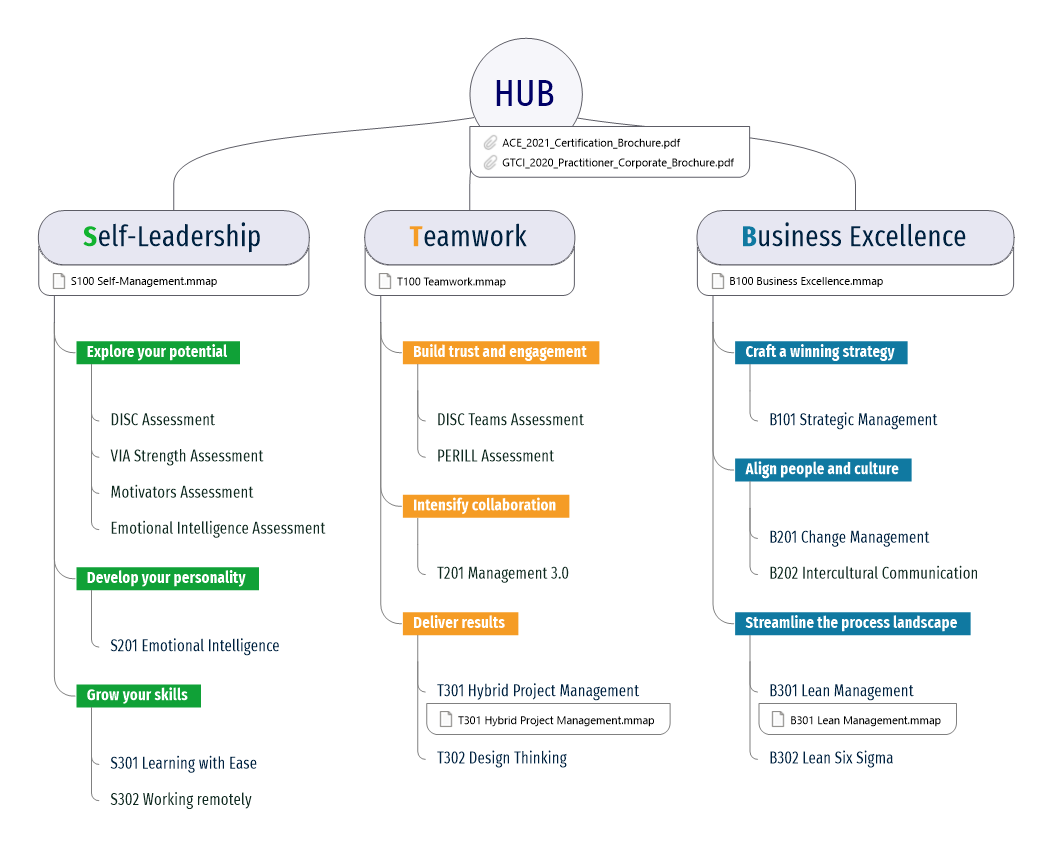
Interdisciplinary learning is a vital approach in today’s educational landscape, emphasizing the interconnectedness of various fields of study. As you navigate through your academic or professional journey, you may find that the challenges you face often require insights from multiple disciplines. This method encourages you to draw knowledge from diverse areas, fostering a more holistic understanding of complex issues. By integrating concepts from different subjects, you can develop a more nuanced perspective, which is essential in a world that increasingly values collaboration and innovation.
Moreover, interdisciplinary learning prepares you for the realities of the modern workforce. Employers are seeking individuals who can think critically and adapt to various situations, skills that are cultivated through an interdisciplinary approach. When you engage with multiple disciplines, you not only enhance your problem-solving abilities but also become more versatile in your thinking. This adaptability is crucial as industries evolve and new challenges arise, making interdisciplinary learning not just beneficial but essential for your personal and professional growth.
Innovation thrives at the intersection of different fields, and interdisciplinary learning serves as a catalyst for this creative process. When you immerse yourself in various disciplines, you expose yourself to a multitude of ideas and methodologies. This exposure can spark new thoughts and inspire innovative solutions that may not have emerged within the confines of a single discipline. For instance, combining principles from science and art can lead to groundbreaking advancements in technology and design, showcasing how diverse perspectives can fuel creativity.
Furthermore, interdisciplinary learning encourages collaboration among individuals with different expertise. When you work alongside peers from various backgrounds, you can share insights and challenge each other’s assumptions. This collaborative environment fosters a culture of innovation where ideas can be freely exchanged and refined. As you engage in discussions that blend different viewpoints, you may discover unique solutions to problems that seemed insurmountable when approached from a singular perspective.
Creative thinking is a cornerstone of interdisciplinary learning, allowing you to synthesize information from various sources and generate original ideas. As you explore different disciplines, you are encouraged to think outside the box and approach problems from multiple angles. This flexibility in thought is crucial for developing innovative solutions that address complex challenges. By nurturing your creative thinking skills, you can enhance your ability to connect seemingly unrelated concepts, leading to breakthroughs that can transform your understanding of a subject.
In addition, creative thinking fosters resilience in the face of obstacles. When you encounter difficulties in your studies or projects, an interdisciplinary approach allows you to draw on diverse strategies and techniques. This adaptability not only helps you overcome challenges but also encourages a mindset that embraces experimentation and risk-taking. As you cultivate your creative thinking abilities through interdisciplinary learning, you become more equipped to navigate uncertainty and thrive in dynamic environments.
One of the most significant benefits of interdisciplinary learning is its ability to broaden your perspectives. Engaging with multiple disciplines exposes you to different ways of thinking and problem-solving, enriching your understanding of the world around you. As you delve into subjects outside your primary area of study, you may find that your preconceived notions are challenged, leading to a more comprehensive worldview. This expanded perspective is invaluable in fostering empathy and understanding in an increasingly interconnected society.
Moreover, broadening your perspectives through interdisciplinary learning can enhance your communication skills. As you learn to articulate ideas from various fields, you become adept at translating complex concepts into accessible language for diverse audiences. This skill is particularly important in today’s globalized world, where effective communication across cultural and disciplinary boundaries is essential for collaboration and progress. By embracing interdisciplinary learning, you not only enrich your own knowledge but also become a more effective communicator and collaborator.
In many educational institutions and workplaces, silos often exist between disciplines, hindering collaboration and innovation. Interdisciplinary learning seeks to break down these barriers by promoting connections between different fields of study. As you engage with various disciplines, you begin to see the relationships between them, recognizing how insights from one area can inform another. This interconnectedness is crucial for addressing complex global challenges that require multifaceted solutions.
By breaking down silos, interdisciplinary learning encourages a culture of collaboration and shared knowledge. When you work with individuals from diverse backgrounds, you can pool resources and expertise to tackle problems more effectively. This collaborative spirit not only enhances the quality of your work but also fosters a sense of community among peers. As you contribute to a collective effort that transcends disciplinary boundaries, you may find that the outcomes are richer and more impactful than what could be achieved in isolation.
In the workplace, interdisciplinary learning has become increasingly relevant as organizations seek innovative solutions to complex problems. As you enter the professional realm, you may encounter projects that require input from various fields—be it marketing, engineering, or social sciences. By applying an interdisciplinary approach, you can leverage the strengths of different team members to create comprehensive strategies that address multifaceted challenges.
For example, consider a project aimed at developing a new product. An interdisciplinary team comprising engineers, designers, marketers, and psychologists can collaborate to ensure that the product not only functions well but also resonates with consumers on an emotional level. By integrating insights from each discipline, the team can create a product that is not only technically sound but also appealing to its target audience. This real-world application of interdisciplinary learning highlights its importance in driving innovation and achieving success in today’s competitive landscape.
While interdisciplinary learning offers numerous benefits, it is not without its challenges. One common obstacle is the difficulty in communicating across disciplines due to differing terminologies and methodologies. As you engage with individuals from various fields, you may encounter misunderstandings or misinterpretations that can hinder collaboration. To overcome this challenge, it is essential to cultivate open communication and actively seek clarification when needed.
Another challenge lies in the potential for cognitive overload when juggling multiple disciplines simultaneously. You may find it overwhelming to integrate diverse concepts and approaches into your work. To address this issue, it is helpful to establish clear goals and prioritize your focus areas. By breaking down complex tasks into manageable components, you can navigate the intricacies of interdisciplinary learning more effectively while still reaping its rewards.
Interdisciplinary learning significantly enhances your problem-solving capabilities by equipping you with diverse tools and perspectives. When faced with a challenge, drawing on knowledge from various disciplines allows you to approach the issue from multiple angles. This multifaceted approach enables you to identify innovative solutions that may not be apparent when relying solely on one field of expertise.
Additionally, interdisciplinary learning fosters critical thinking skills that are essential for effective problem-solving. As you analyze information from different sources, you learn to evaluate evidence critically and consider alternative viewpoints. This analytical mindset empowers you to make informed decisions based on a comprehensive understanding of the problem at hand. Ultimately, by embracing interdisciplinary learning, you become a more adept problem solver capable of tackling complex issues with confidence.
In an increasingly interconnected world, interdisciplinary learning plays a crucial role in fostering global citizenship. As you engage with diverse perspectives and cultures through various disciplines, you develop a deeper understanding of global issues such as climate change, social justice, and economic inequality. This awareness is essential for becoming an informed global citizen who can contribute positively to society.
Moreover, interdisciplinary learning encourages empathy by exposing you to different viewpoints and experiences. As you collaborate with individuals from diverse backgrounds, you gain insights into their challenges and aspirations. This understanding fosters a sense of responsibility towards others and motivates you to take action on pressing global issues. By embracing interdisciplinary learning, you not only enrich your own knowledge but also cultivate a commitment to making a positive impact on the world around you.
The future of education lies in embracing interdisciplinary learning as a fundamental approach to teaching and learning. As traditional educational models evolve, there is a growing recognition of the need for curricula that reflect the interconnected nature of knowledge. By integrating subjects such as science, technology, engineering, arts, and mathematics (STEAM), educational institutions can prepare students like yourself for the complexities of the modern world.
Furthermore, embracing interdisciplinary learning fosters adaptability in students as they prepare for careers that may not yet exist. In an era marked by rapid technological advancements and shifting job markets, cultivating skills such as critical thinking, creativity, and collaboration becomes paramount. By prioritizing interdisciplinary education, institutions can equip students with the tools they need to thrive in an ever-changing landscape.
Interdisciplinary education not only enhances your academic experience but also cultivates lifelong learning habits that extend beyond formal education. As you engage with diverse disciplines, you develop a curiosity about the world around you that encourages continuous exploration and growth. This mindset is essential for adapting to new challenges and opportunities throughout your life.
Moreover, interdisciplinary education instills a sense of agency in learners like yourself by empowering you to take ownership of your education. By exploring topics that resonate with your interests across various fields, you become an active participant in your learning journey rather than a passive recipient of information. This proactive approach fosters a love for learning that lasts well beyond the classroom and inspires you to seek knowledge throughout your life.
In conclusion, interdisciplinary learning is not just an educational trend; it is a transformative approach that equips individuals like yourself with the skills needed to navigate an increasingly complex world. By embracing this method, you can foster innovation, broaden your perspectives, enhance problem-solving abilities, and cultivate lifelong learning habits that will serve you well into the future.
You need to load content from hCaptcha to submit the form. Please note that doing so will share data with third-party providers.
More InformationYou need to load content from reCAPTCHA to submit the form. Please note that doing so will share data with third-party providers.
More InformationYou need to load content from reCAPTCHA to submit the form. Please note that doing so will share data with third-party providers.
More InformationYou need to load content from reCAPTCHA to submit the form. Please note that doing so will share data with third-party providers.
More InformationYou need to load content from Turnstile to submit the form. Please note that doing so will share data with third-party providers.
More Information